


lesliemacansh
About lesliemacansh
Understanding the Costs of Private Jet Ownership and Chartering
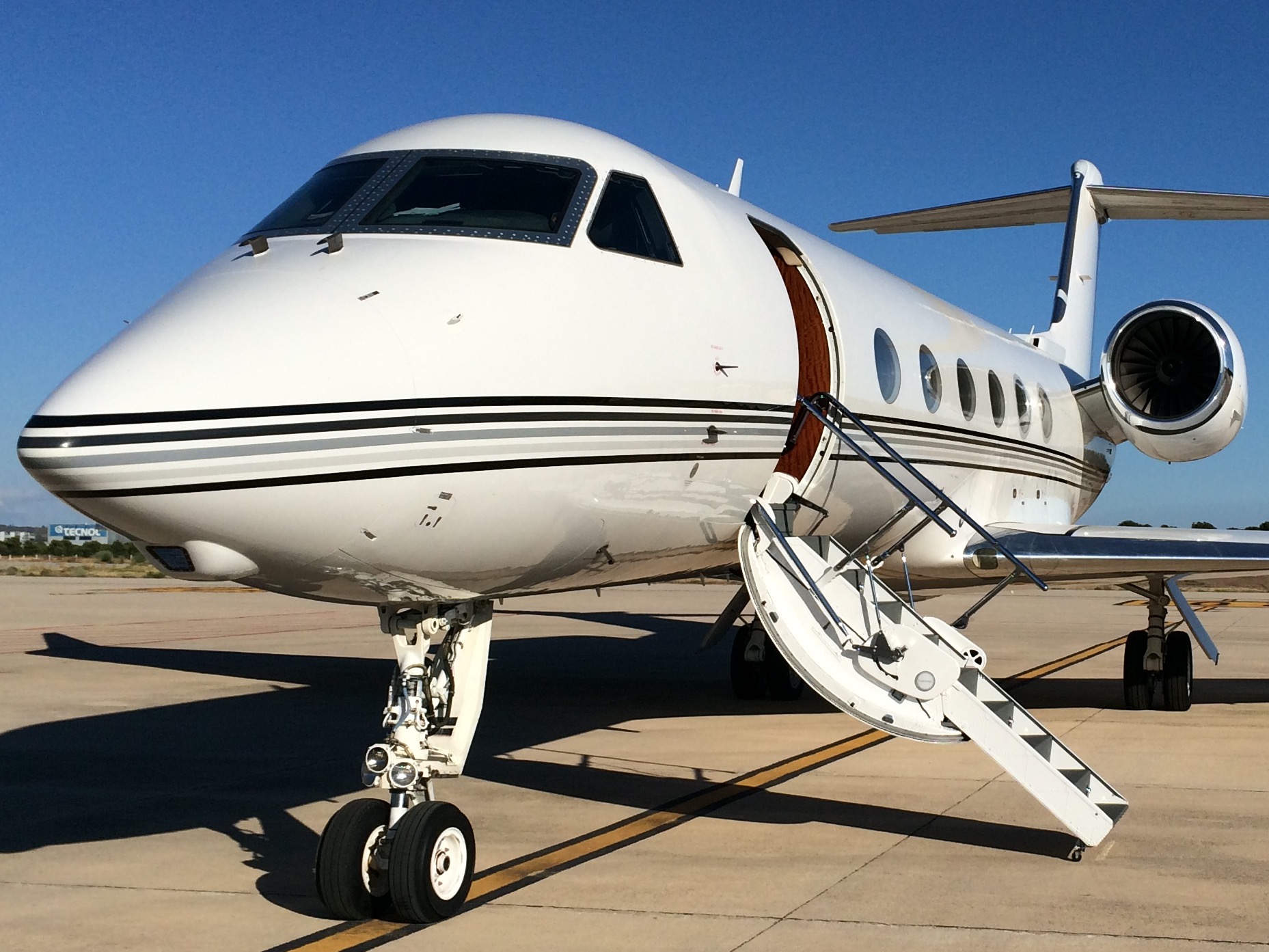
Private jets have long been synonymous with luxury, convenience, and exclusivity. While the allure of flying privately is undeniable, understanding the costs associated with private jet ownership and chartering is essential for potential buyers and users. This report delves into the various factors that influence the cost of private jets, including purchase prices, operational expenses, charter rates, and additional considerations that can affect overall expenditure.
1. Purchase Costs
The initial cost of acquiring a private jet can vary significantly based on several factors, including the type of aircraft, its age, brand, and specifications. On average, the price range for new private jets can be as follows:
- Light Jets: $3 million to $8 million
- Midsize Jets: $8 million to $15 million
- Heavy Jets: $15 million to $75 million
- Ultra-Long-Range Jets: $50 million to $100 million+
In addition to the purchase price, buyers should also consider the costs of customization, which can add anywhere from $500,000 to several million dollars, depending on the desired features and finishes. Common customizations include upgraded interiors, enhanced avionics, and additional technology.
2. Financing Options
For many, purchasing a private jet outright may not be feasible. Financing options are available, and they can significantly influence the total cost of ownership. Buyers may choose to finance their jet through loans or leasing options.
- Loans: Typically, lenders require a down payment of 10% to 20% of the jet’s value, with interest rates varying based on the borrower’s creditworthiness and market conditions.
- Leasing: This option allows users to pay a monthly fee to use the jet without owning it outright. Operating leases typically run for a period of 2 to 10 years, while finance leases may last longer.
3. Operational Costs
Owning a private jet comes with ongoing operational costs that can add up quickly. Key expenses include:
- Fuel Costs: Fuel is one of the largest operating expenses, with prices fluctuating based on market conditions. On average, a jet can consume between 150 to 400 gallons of fuel per hour, costing anywhere from $1,500 to $5,000 per flight hour.
- Maintenance: Regular maintenance is crucial for safety and performance. Annual maintenance costs can range from $100,000 to $500,000, depending on the aircraft’s size and usage.
- Crew Salaries: Hiring a qualified flight crew is essential. Salaries for pilots and cabin crew can total $100,000 to $300,000 per year, depending on the crew size and experience.
- Hangar Fees: Storing a jet at an airport can cost anywhere from $1,000 to $3,000 per month, depending on the location and facility.
- Insurance: Insurance costs can vary widely, but owners should budget around $25,000 to $50,000 annually for comprehensive coverage.
4. Charter Costs
For those who do not wish to own a jet, chartering is an attractive alternative. Charter costs depend on the type of jet, duration of the flight, and specific route. On average, charter rates can range from:
- Light Jets: $2,000 to $3,500 per flight hour
- Midsize Jets: $3,500 to $6,000 per flight hour
- Heavy Jets: $6,000 to $12,000 per flight hour
- Ultra-Long-Range Jets: $10,000 to $20,000 per flight hour
In addition to the hourly rate, charter customers may incur additional fees, such as landing fees, overnight fees, and catering costs. These can add an extra 10% to 30% to the total charter cost.
5. Cost Per Flight Hour
When considering the cost of private jet travel, it is helpful to break down the expenses into a cost-per-flight-hour analysis. Should you have any questions with regards to in which along with the way to employ privatejetscharter.review, you possibly can contact us at our own web-site. This includes all operational costs divided by the number of hours flown. For example, if a jet incurs $1 million in annual operating costs and flies 200 hours, the cost per flight hour would be $5,000. This figure can provide insight into the financial implications of owning versus chartering.
6. Additional Considerations
Several factors can influence the overall cost of private jet ownership or chartering:
- Flight Routes: Longer flights typically incur higher costs due to increased fuel consumption and potential overnight fees.
- Airport Fees: Different airports have varying landing and handling fees, which can impact overall travel costs.
- Availability and Demand: During peak travel seasons or major events, charter rates can increase due to high demand.
- Empty Leg Flights: Charter companies often offer discounted rates for ”empty leg” flights, where a jet is returning to its home base without passengers. This can provide significant savings for flexible travelers.
7. Conclusion
The decision to own or charter a private jet is a significant financial commitment that requires careful consideration of various factors. The costs associated with purchasing and operating a private jet can be substantial, with ongoing expenses that must be factored into the overall budget. For those who prefer flexibility, chartering may offer a more cost-effective solution, albeit with its own set of variables. Ultimately, understanding the full scope of costs involved is crucial for making informed decisions in the realm of private aviation. As the private jet market continues to evolve, potential buyers and users must stay informed to navigate this complex landscape effectively.
No listing found.